West Nile Alerts for Dallas
County surveillance notices for the areas covered here, restated with a link to the source, plus what a positive pool does and does not mean.
📞 Call (214) 555-0199Short answer: Dallas County Health and Human Services traps and tests mosquitoes through the warm months. When a trapped sample from an area tests positive for West Nile virus, the county publishes a notice and may schedule ground spraying nearby. A positive pool means the virus is present in local mosquitoes — it is not a case count, and it is not a statement about any individual's risk.
Current season notices
No notices recorded for the current season
Nothing has been added here yet for this season. That is a statement about this page, not about Dallas County — surveillance notices are published by the county, and the county's own pages are always the authoritative and most current source. Check Dallas County Health and Human Services directly.
What a "positive pool" actually means
A pool is a batch of mosquitoes collected from one trap and tested together. A positive result means at least one mosquito in that batch carried the virus. It tells you the virus is circulating in that area's mosquito population at that time.
What it does not tell you: how many mosquitoes are infected, whether anyone has been infected, or what your personal risk is. Those are different questions, and the honest answer to the last one is that it belongs to a clinician and to the county health department, not to a pest control website.
What the county does next
Responses vary by circumstances and are the county's decision, but they typically include increased trapping in the area, public notices naming the affected ZIP codes, and in some cases scheduled ground spraying. Spray schedules are announced with dates and areas, and are subject to weather.
If ground spraying is scheduled near you, the county publishes its own guidance on what residents should do. Follow that rather than anything you read here — it is their operation and their advice.
What actually reduces your exposure
Public health guidance on reducing mosquito bites is consistent and does not depend on what any pest control company does:
- Use an EPA-registered repellent according to its label.
- Cover up during the periods when the relevant mosquitoes are most active.
- Keep window and door screens intact.
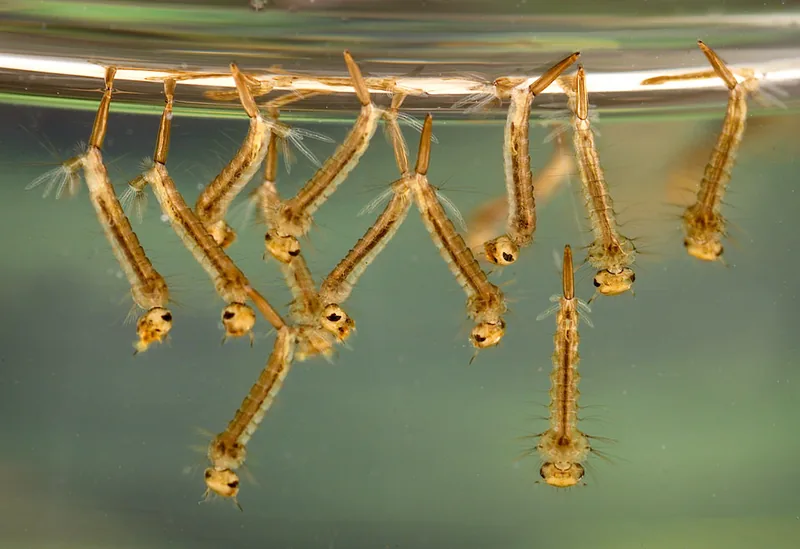
- Remove standing water on your own property — saucers, gutters, bird baths, tarps, buckets, pool covers and anything else holding water for more than a few days.
The CDC's West Nile virus pages cover symptoms and clinical guidance. If you feel unwell, speak to a clinician.
What a yard treatment can and cannot do
A barrier treatment reduces the mosquito population in a treated area. That is the whole of the claim. It is not a medical intervention, no operator can tell you anything about your risk of illness, and a company that markets treatment on the back of a county health notice is selling fear rather than a service. The honest sequence during a notice is: county guidance first, personal measures second, standing water third, treatment fourth.
Why this page exists
County notices are published where public health information belongs — on the county's site — and they are not always easy to connect to a specific neighbourhood. This page restates notices for the areas covered here, links straight back to the county source, and puts them next to the practical part: what standing water on your own property is contributing.
It is updated during the season rather than rewritten, so the record accumulates. For the seasonal context behind it, see mosquito season and West Nile in Dallas County, and for the treatment side, mosquito control.
Related reading
West Nile notice questions
Does a positive pool mean someone has West Nile?
No. A positive pool means at least one mosquito in a tested batch carried the virus. It says the virus is circulating in that area's mosquitoes. Human case reporting is separate, and it comes from the county and the state, not from mosquito surveillance.
The county is spraying my area. What should I do?
Follow the county's own guidance for that operation — it is published with the spray notice and it is their advice to give, not ours. If you have specific health concerns, particularly respiratory ones, direct them to the county health department or a clinician.
Should I book a mosquito treatment because of a notice?
Only if you want fewer mosquitoes in your yard, which is a comfort and nuisance decision. A barrier treatment reduces the local population; it is not a health measure and nobody can honestly sell it as one. If you do book, deal with standing water at the same time or the yard refills.
How current is this page?
It is updated during the season as notices are published, and each entry is dated. The county is always the more current source — check Dallas County Health and Human Services directly if this page has not been updated recently.
Which mosquitoes carry West Nile in Dallas?
Culex species are the group that matters for West Nile transmission, and they are also the ones that breed readily in the small volumes of standing water around a house. The mosquito control page covers the breeding sites in detail.
Yard unusable while this is going on?
Deal with standing water first — it is the part you control, and it is what refills the yard after any treatment. Calls may be recorded for quality and training.
📞 Call (214) 555-0199